Virtual Lecture
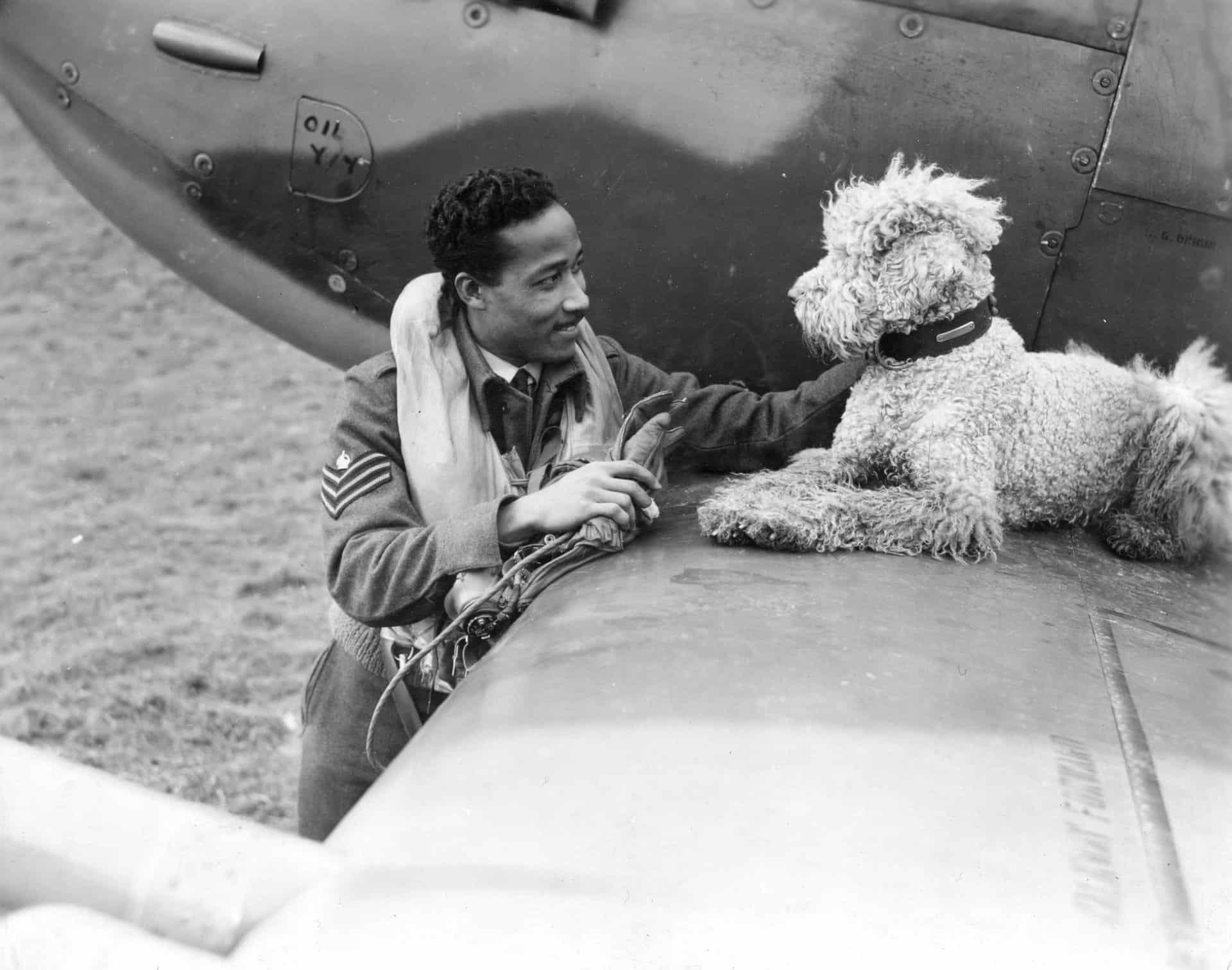
Would Britain have had a functional RAF throughout the Second World War without the Caribbean?
On Thursday 25 March 2027 at 6pm, Colin Douglas will consider the contribution of the Caribbean during the Second World War. This lecture will be hosted virtually via Crowdcast.
Talk Outline
The Caribbean contribution to the Second World War was substantial, but it remains massively understated. A third of Britain’s oil supply came from the oil refineries of the Caribbean with a large proportion of this being high grade aviation fuel, essential for RAF bombers and particularly fighter aircrafts.
In addition, Britain was heavily dependent on Caribbean bauxite for aluminium needed in the production of aircraft and munitions. The US, which built 300,000 military aircrafts during the war (for its own needs and the Allies), was the biggest importer of Caribbean bauxite. It is difficult, therefore, to see how Britain could have maintained an effective RAF without the Caribbean supply of aluminium for aircraft production and the fuel to keep them in the air. In addition to mineral resources, this lecture will describe the role of West Indian RAF personnel (both aircrew and groundcrew).
The RAF was by far the most progressive of the branches of the British military when it came to the recruitment and deployment of people of colour, including West Indians. The lecture will consider why this was the case.
However, the RAF was not without its own racism. The darker side to its history of recruitment and deployment will also be explored. Britain used its Caribbean territories as leverage to pull the US into the war effort well before the Pearl Harbor attack. As a key strategic location, the Caribbean became the target for a massive German U-boat campaign that turned the region into the most dangerous shipping zone in the world during 1942. In response, Winston Churchill made desperate efforts to persuade the US to improve its defence of the region and the vital supply of oil, bauxite and other essential materials.
Livestream
To attend virtually, register via Crowdcast.
About Colin Douglas
Colin Douglas is a historian who focuses on the Caribbean during the war years and the decades that came before and after it. His latest book, The Caribbean and the Second World War (published by Lawrence Wishart in 2024), describes the pivotal role of the Caribbean during the war and the impact the war had within the region. His first book, West Indian Women at War (Lawrence Wishart 1991), was co-authored with the late Ben Bousquet and has been widely referenced in literature on the history of the West Indian wartime contribution. In 1988, he produced a widely acclaimed pamphlet entitled Forty Winters On (Lambeth Council, 1988) which was the first major publication on the arrival in 1948 of the Empire Windrush.
After graduating from Oxford University in 1985, Colin had a distinguished career in the public services. He was a member of the National Management Board of the NHS; prior to this he had been on the management board of Transport for London and was an executive director of the Health and Safety Executive. His parents emigrated to Britain from Jamaica in the 1950s. He is married, with two adult sons, and lives in Catford in south east London.